Source Programmable Esp32 Flight Controller for Drones
Find 30 programmable esp32 flight controller options for industrial drones, RC models, and FPV applications. Compare specifications like current ratings, protection levels, and customization availability to select the right electronic accessories for your project; compare the available evidence and request quotations based on your requirements.
Key considerations
Products List


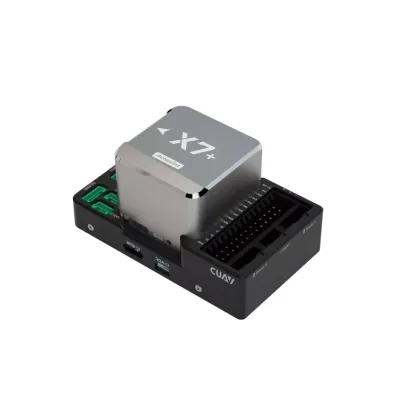


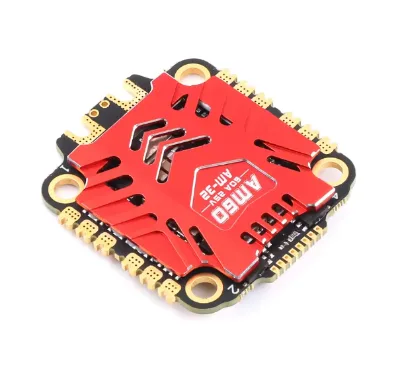
Comprehensive Sourcing Guide
Programmable ESP32 Flight Controller Sourcing Guide
The programmable ESP32 flight controller market presents a diverse array of components primarily designed for industrial drones and RC model applications. Buyers must distinguish between general electronic accessories and specialized flight control units, as the supplied data indicates a mix of products ranging from simple speed regulation modules to complex fixed-wing UAV systems. The observed product attributes highlight a strong focus on customization, with many listings offering tailored sizes and specific power configurations to meet unique operational needs.
Procurement decisions should prioritize verifying the exact functional scope of each unit, as the listings reveal significant variation in battery support and signal processing capabilities. While some units are explicitly marketed for FPV drones with high-voltage inputs, others are positioned as general-purpose accessories for smaller RC models. Understanding these distinctions is critical before engaging suppliers, as the integration requirements for a 2-4s battery system differ vastly from those needed for 5-18s industrial applications.
Product Scope and Observed Listing Signals
Buyers should carefully analyze the listed product types to ensure alignment with their specific flight platform requirements, as the data shows a clear split between fixed-wing UAVs and general drone accessories. The presence of items labeled as "Electronic Accessories" alongside "Drones Accessories" suggests that not all listed components are full flight controllers; some may be supporting modules like speed controllers or power distribution units. This distinction is vital for avoiding procurement errors where a buyer might purchase a speed regulation module expecting a full flight management system.
The observed listing signals also indicate a wide range of physical and electrical specifications that directly impact system compatibility. Products are described with varying sizes, from standard dimensions to fully customized measurements, and utilize different materials such as metal, plastic, or a combination of both. Buyers must cross-reference these physical attributes with their airframe constraints, noting that some units are packaged in cardboard boxes while others use color boxes, which may reflect different quality tiers or intended end-user markets.
Technical Specifications to Verify
Technical verification must begin with the electrical interface and power handling capabilities, as the data highlights specific input voltage ranges and battery support levels. Buyers should confirm whether a unit supports the required number of battery cells, noting that listings explicitly mention support for 2-4s, 5-18s, and specific voltage ranges like 7-36V DC. The presence of specific output voltages, such as 5V 1A, and plug types like Xt60, requires careful matching to the drone's power distribution architecture to prevent system failures or component damage.
Signal processing and control logic are equally critical, with observed specifications including throttle pulse widths and signal frequencies that define compatibility with standard RC transmitters. The data points to specific pulse width ranges of 1050us-1940us and signal frequencies between 50-500Hz, which are standard parameters for flight control integration. Procurement teams must verify that the programmable ESP32 unit can interpret these signals correctly and that the PCB type, such as rigid FR4 multilayer, meets the electromagnetic interference requirements of the intended flight environment.
Compliance and Safety Documentation
Compliance verification is essential given the mix of certifications and standards observed in the product listings, which include CE marks and various standard designations like 20A, 30A, and 40A. Buyers must request explicit documentation confirming that the specific unit they intend to purchase meets the relevant safety standards for their target market, as the presence of a CE mark on a listing does not guarantee that every variant in a supplier's catalog is certified. The distinction between conventional standards and specific model standards like 40A SBEC G2 requires careful scrutiny to ensure regulatory adherence.
Safety documentation should also address the environmental protection levels and material safety, particularly for units intended for harsh industrial or outdoor operations. The data indicates some products claim an IP67 protection level, which is a significant factor for drones operating in adverse weather conditions. Additionally, buyers should verify the base material certifications, such as RoHS and ISO, to ensure the electronic components do not contain hazardous substances, especially when the product involves metal coatings like copper or complex multilayer PCB structures.
Cost Drivers and Commercial Terms
Cost structures for programmable ESP32 flight controllers are heavily influenced by the level of customization and the complexity of the internal electronics. Listings showing "Customized Size" and "OEM ODM" capabilities suggest that buyers can expect variable pricing based on specific design requirements, with non-standard configurations likely incurring higher unit costs. The observed price range of 1 to 1080 USD reflects this variability, indicating that simple accessories may be low-cost while fully integrated, high-specification flight systems command a premium.
Commercial terms must be negotiated with attention to the Minimum Order Quantity (MOQ) and lead times, which vary significantly across the observed product range. The data shows an MOQ range from 1 to 500 units, implying that small-batch procurement is feasible for prototyping, while larger orders may require different pricing tiers or production schedules. Buyers should clarify whether the listed prices include packaging costs, as some items are shipped in simple cardboard boxes while others use more elaborate color boxes, which can impact the total landed cost.
Supplier Qualification and Quality Control
Supplier qualification should focus on their ability to deliver consistent quality for customized electronic components, given the high degree of variation in the observed product attributes. The presence of "OEM ODM" branding suggests that many suppliers offer design and manufacturing services, requiring buyers to assess their engineering capabilities and quality control processes for custom PCB designs. It is crucial to verify that the supplier can maintain the specified material standards, such as FR4 multilayer PCBs and copper coatings, across all production batches.
Quality control protocols must be established to ensure that the programmable ESP32 units meet the strict performance requirements of flight applications. Buyers should request test results for critical parameters like signal frequency stability and protection levels, as the data indicates that some units are rated for IP67 while others may not have such specifications. Establishing a clear acceptance criteria based on the observed specifications, such as throttle pulse width accuracy and battery voltage handling, is necessary to mitigate the risk of receiving non-compliant or defective units.
Long-Term Procurement Checks
Long-term procurement strategies should prioritize supply chain stability and the availability of technical support for programmable flight controllers. Given the rapid evolution of drone technology and the specific nature of ESP32-based systems, buyers must ensure that suppliers can provide ongoing firmware updates and technical assistance. The observed diversity in product models, ranging from 20A to 120A variants, indicates a need for a supplier capable of supporting a portfolio of products rather than a single static item.
Sustainability and lifecycle management are also critical considerations, particularly regarding the materials and certifications used in the manufacturing process. Buyers should monitor the supplier's adherence to environmental standards like RoHS and ISO, as these certifications often evolve over time and may impact future compliance requirements. Establishing a long-term relationship with a qualified supplier ensures that the procurement of specialized components, such as those with specific metal coatings or custom PCB types, remains consistent and reliable for future production runs.
FAQs
Can these flight controllers support custom sizes for specific drone frames?
Yes, customized sizes are available for these electronic accessories to fit various industrial and RC model airplane frames. The products offer flexible customization options, allowing buyers to specify dimensions that match their unique structural requirements. This ensures a precise fit for fixed-wing UAVs and other specialized applications without compromising performance or compatibility with standard components.
What certifications do these drone accessories meet for industrial use?
These drone accessories meet CE certification standards, ensuring compliance with relevant safety and performance regulations for industrial applications. The products are manufactured in China and undergo quality checks to maintain consistency. This certification provides assurance for buyers sourcing electronic components for professional drone operations, supporting reliable integration into various UAV systems and RC model setups.
Which power specifications are supported by these programmable flight controllers?
These flight controllers support specific power specifications, including input voltages from 7-36V DC for 2-8s battery configurations. They also feature BEC capabilities and are compatible with 2-4s or 5-18s battery setups depending on the model. This flexibility allows users to integrate the controllers into diverse drone architectures, ensuring stable power regulation and efficient energy management for various flight conditions.
How are these electronic accessories packaged for safe shipping?
These electronic accessories are packaged in cardboard boxes, color boxes, or standard boxes to ensure safe transit. The packaging is designed to protect the metal and plastic components from damage during handling and shipping. This secure packaging method helps maintain the condition of the products, whether they are used for RC toy accessories or professional industrial drone applications, ensuring they arrive ready for installation.
What materials are used in the construction of these flight controllers?
These flight controllers are constructed from metal and plastic materials to provide durability and structural integrity. Some components may feature metal coatings like copper for enhanced conductivity or heat dissipation. The use of robust materials ensures the accessories can withstand the operational stresses of industrial and RC model airplane applications, offering long-term reliability and performance in various environmental conditions.